Corporate Video
Video for leadership communication, organizational updates, training, marketing and other business needs.
Video production
Good video starts with knowing who needs to watch, what they need to understand, where filming will happen and how the finished content will be used.
Production context
An executive interview, conference recording and organizational video do not need the same production plan. Before camera decisions are made, it helps to understand the audience, location, people involved and what the finished video is expected to do.
Choose a video service
Video services
Video for leadership communication, organizational updates, training, marketing and other business needs.
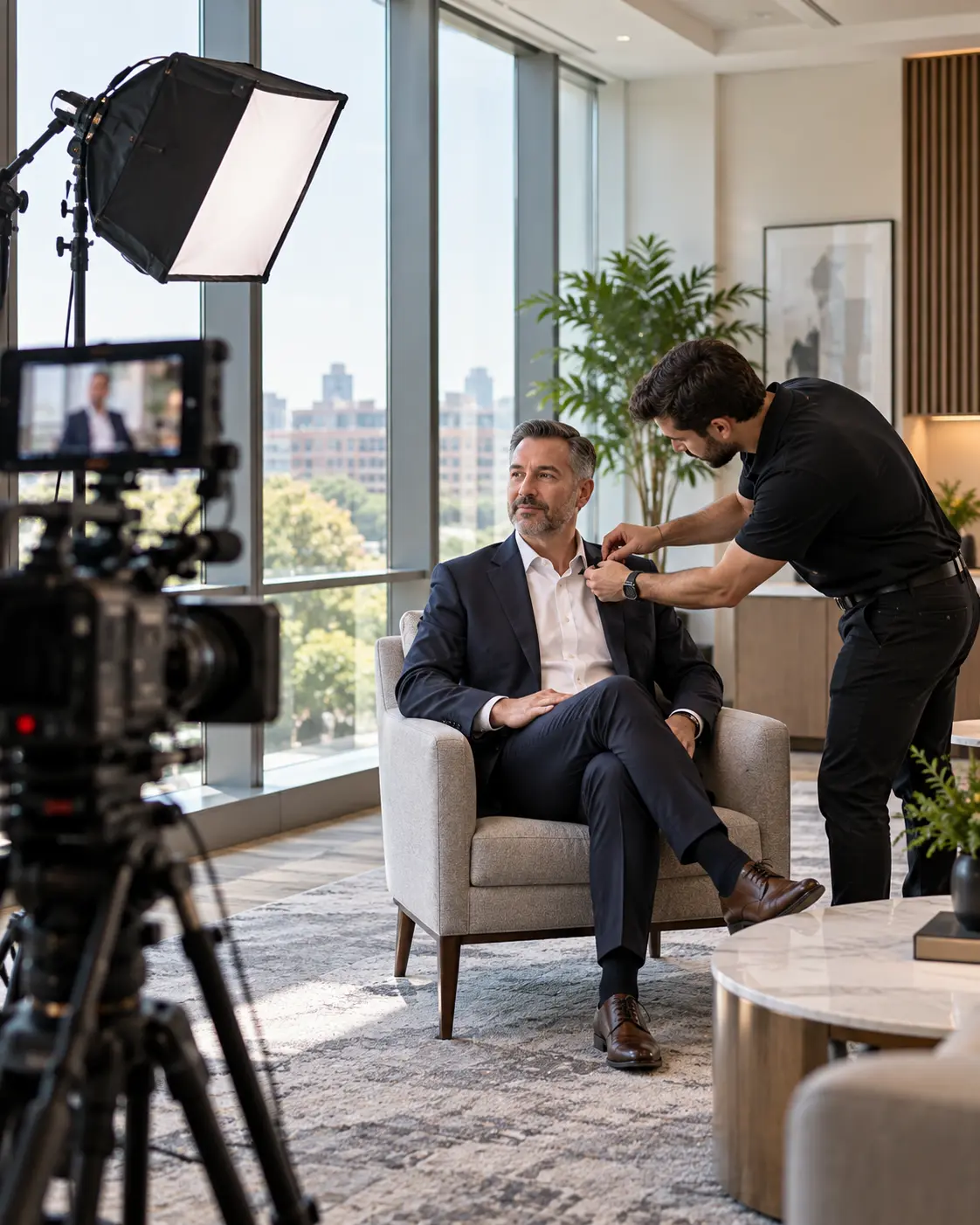
Interview production planned around the person speaking, the room, sound, lighting and the way the footage will be edited.
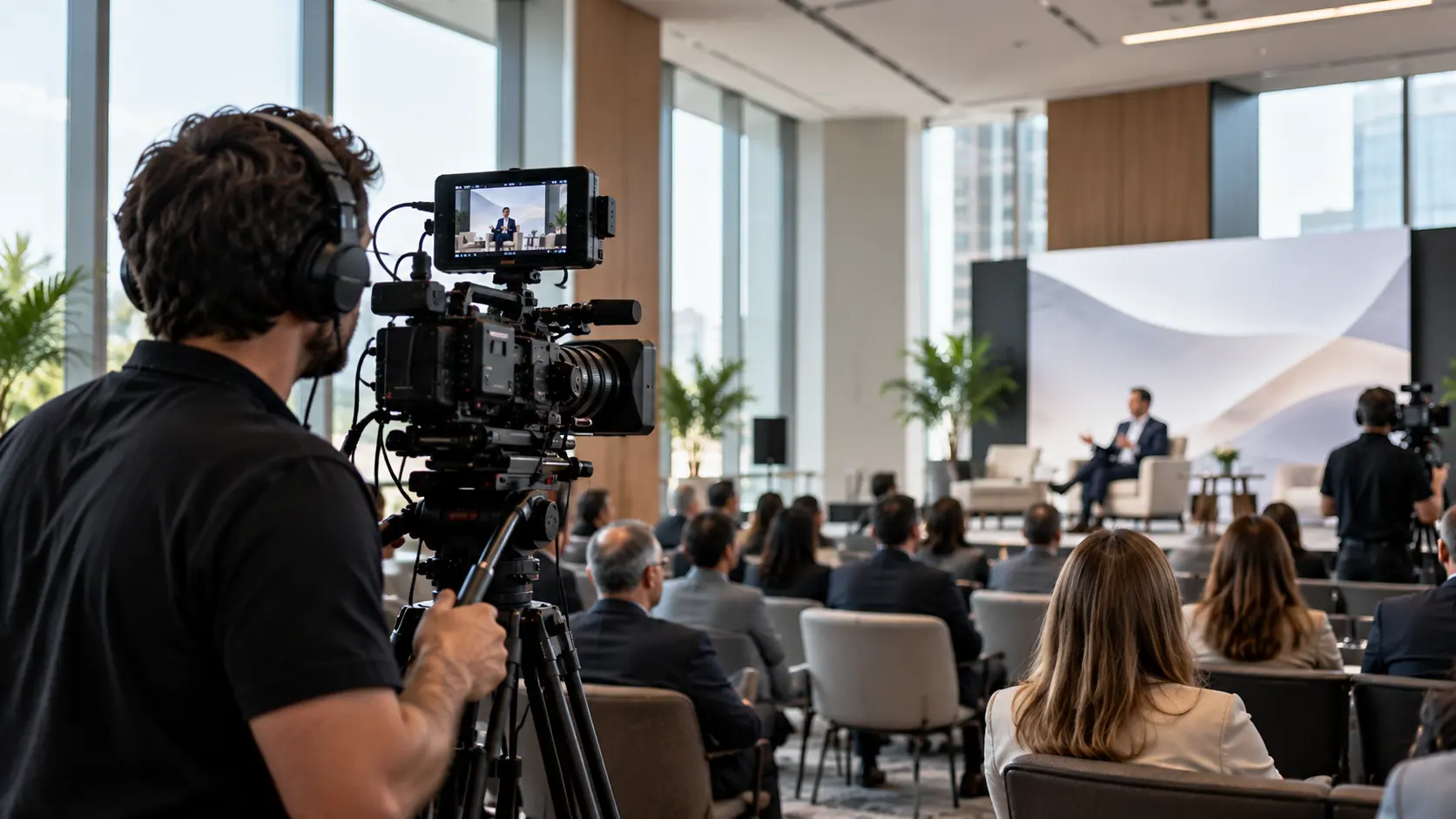
Coverage for presentations, panel discussions, interviews and important moments during conferences and live programs.
Content for member communication, educational programs, organizational initiatives and events.
Video for campaigns, launches, websites and external communications when that format fits the project.
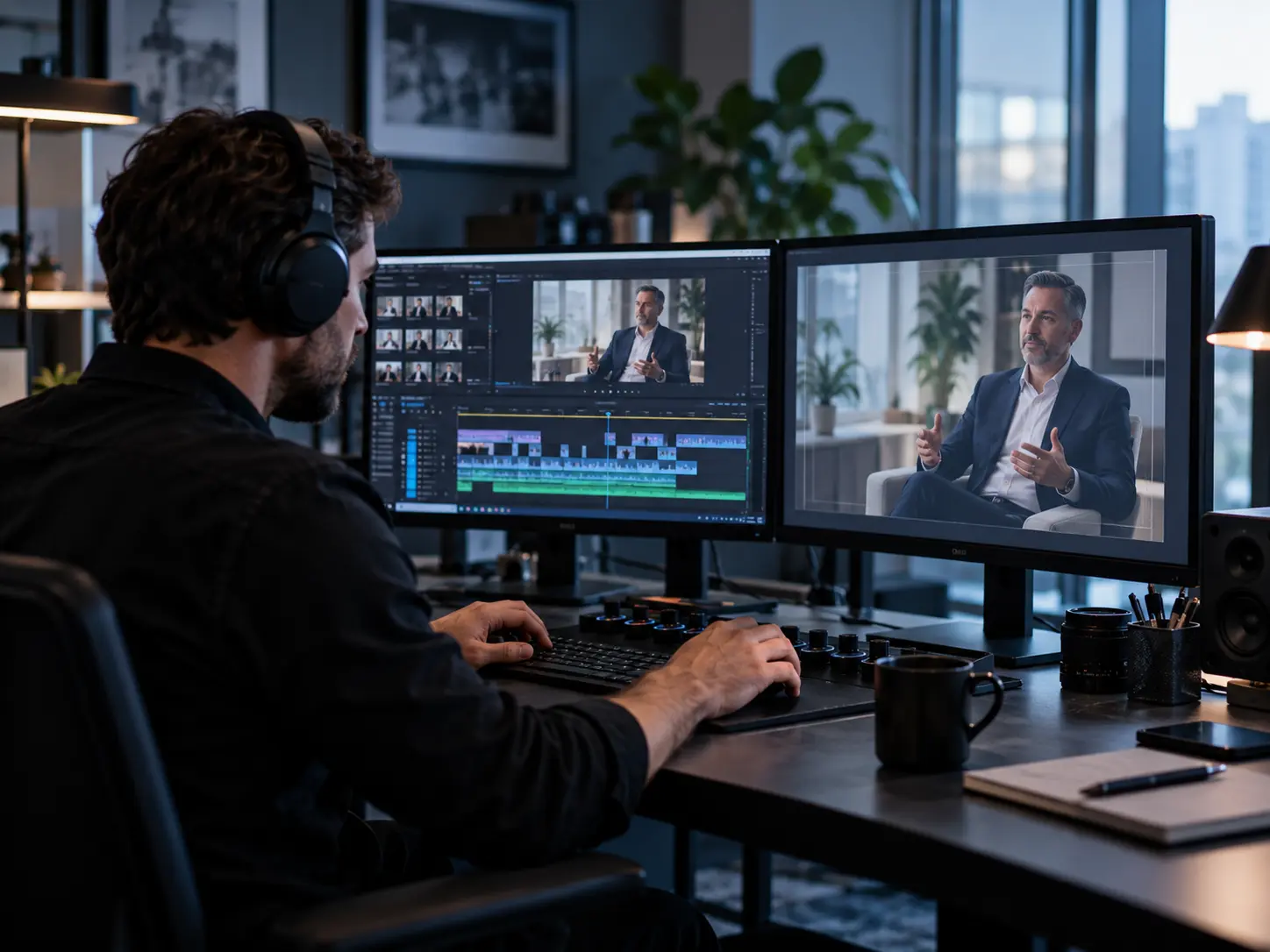
Post-production that organizes recorded material into the agreed final versions and delivery formats.
Interview planning
People generally communicate better on camera when the setting, questions and schedule have been considered in advance. The room matters too. Background noise, available space, lighting, interruptions and the visual environment can all affect the recording.
Conference and event video
A live event cannot simply pause for another take. Planning should begin with the run of show, speakers, sessions, interview opportunities and the moments that actually need to be captured.
Production process
Clarify the audience, purpose, participants and intended use.
Confirm the location, schedule, contributors and recording requirements.
Record the interviews, event material or other planned footage.
Select and organize the material according to the agreed scope.
Prepare the agreed final versions for their intended channels.
Production details
The room affects camera positions, backgrounds, available working space and the overall look.
Speech needs to be clear. Room noise and the recording environment should be considered before filming begins.
Some locations work well with existing light. Others need more control so people and the room photograph consistently.
Interviews, sessions and important event moments need to fit the actual program and participant availability.
Post-production
Recording creates the raw material. Editing determines what stays, what is removed, how the information is organized and which final versions are needed.
Regional coverage
Projects can be scoped throughout Washington DC, Maryland and Northern Virginia. Offices, conference venues and live event spaces each create different production conditions, so location details are useful early in planning.
View our DC metro service areaPlanning FAQ
Projects may include corporate communications, executive interviews, conference and event coverage, association or nonprofit content, promotional video, and editing.
Share the audience, purpose, location, participants, filming schedule, content needs and expected final versions.
Yes. Offices and event venues can be considered during scoping. Space, sound, lighting, access and schedule should be reviewed first.
Clarify the subject, audience and key topics, then allow time to review the location, schedule and expected final use.
The run of show, speakers, sessions, interview opportunities, important moments and intended use after the event should be identified.
Shorter versions can be considered when the intended deliverables and available footage are defined in the project scope.
Existing footage may be considered for editing after its format, quality, organization and required deliverables are reviewed.
Projects can be scoped in Maryland and Northern Virginia as well. See the DC metro service area for more regional information.
Start a project
Share what needs to be filmed, where it will happen and how the finished video will be used. That is enough information to start defining the scope.